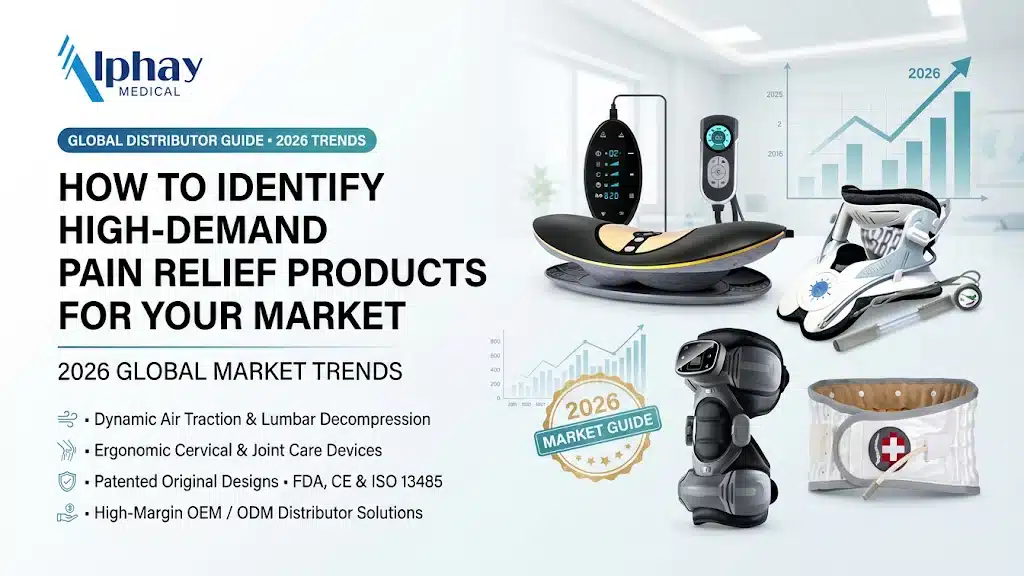
How to Identify High-Demand Pain Relief Products for Your Market (2026 Trends)
Choosing the right products is one of the biggest decisions for distributors and importers in the health and wellness industry. A product may look promising on a supplier’s catalog, but that doesn’t necessarily mean customers in your market are ready to buy it.
In 2026, buyers are paying closer attention to practical home-use solutions, product versatility, portability, and clear value for money. For businesses sourcing pain relief and rehabilitation products, the opportunity is not just about finding the latest device. It’s about identifying products that solve familiar customer needs and can support steady sales over time.
So, how do you tell which pain relief products are worth adding to your product line?
This guide looks at the major market trends, product categories, and sourcing factors B2B buyers should consider when choosing a pain relief equipment manufacturer, physiotherapy equipment supplier, or rehabilitation equipment factory.
1. What Is Driving Demand for Pain Relief Products in 2026?
Several changes in consumer behavior are shaping the market for home-use pain relief and physiotherapy products.
Growing Interest in Home-Based Care
Consumers increasingly want convenient ways to manage everyday discomfort without making frequent trips to a clinic or therapy center.
This creates opportunities for home-use products such as:
- Neck and shoulder massagers
- Cervical traction devices
- Lumbar traction devices
- Knee massagers
- Back support belts
- Portable physiotherapy equipment
Industry forecasts also point to continued growth in physiotherapy devices, supported by home rehabilitation, demand for pain management solutions, sports-related injuries, and portable equipment. For distributors, this makes home-use rehabilitation products a category worth watching.
More Attention to Neck and Back Discomfort
Long hours at a desk, extended screen time, and sedentary routines have made neck and back care familiar topics for consumers.
Products designed around these everyday needs can appeal to several customer groups, including office workers, older adults, home wellness shoppers, and people looking for general muscle relaxation products.
For B2B buyers, this creates potential opportunities in the following categories:
- Neck traction device supplier
- Cervical care device manufacturer
- Lumbar traction device supplier
- Lower back massager manufacturer
- Back support belt factory
The key is to select products with clear functions, comfortable designs, and an easy-to-understand user experience.
An Aging Population and Interest in Joint Care
As populations age, joint comfort and mobility become increasingly important purchasing considerations.
At the same time, younger consumers are buying recovery and relaxation products for use after exercise or long working days.
This gives knee care products a broader potential customer base. A knee massager with adjustable air compression, heating, and vibration functions may be positioned for different consumer segments, depending on its intended use and applicable regulatory requirements.
Demand for Multi-Function Products
Consumers don’t always want to buy several devices for different purposes. Products combining multiple functions can offer a more convenient experience and help brands create a stronger product proposition.
For example, a home-use lumbar device may combine stretching, heating, vibration, and electrical pulse functions. A neck care product may integrate traction, heating, and massage features.
For distributors, these combinations can create more opportunities to differentiate products rather than competing on price alone.
2. Five Pain Relief Product Categories Worth Watching in 2026
Not every product category will perform equally well in every country. However, the following categories align with established consumer needs and the direction of the home physiotherapy market.
1. Neck Traction Devices and Cervical Care Products
Neck care remains an important category in the home physiotherapy market.
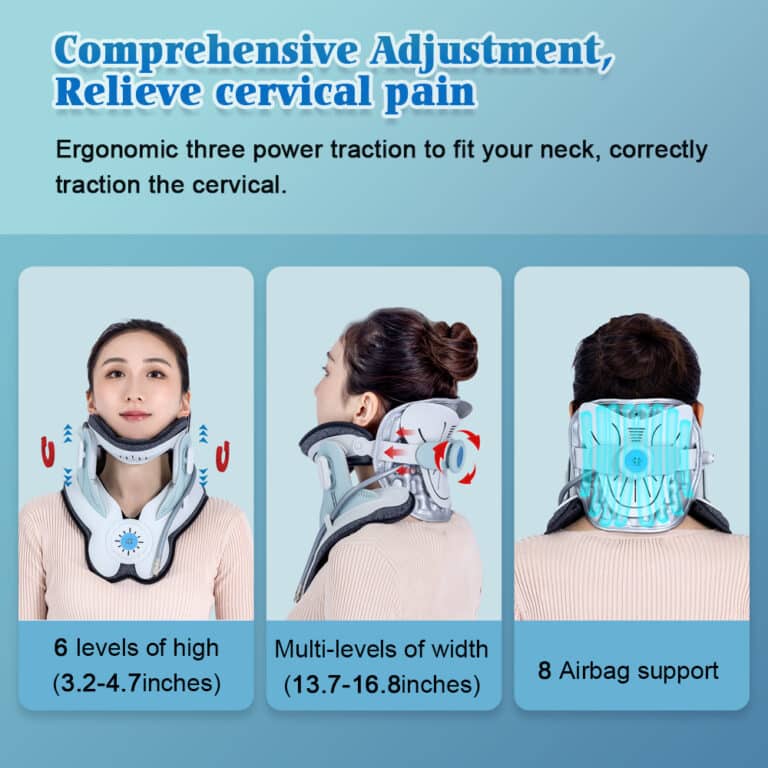
Modern neck traction products come in different designs, from traditional adjustable traction supports to more advanced devices combining stretching, heating, and massage functions.
Why B2B buyers should pay attention:
- Addresses a familiar consumer concern: neck discomfort.
- Offers different price and feature levels.
- Can be marketed through home healthcare, wellness, and rehabilitation channels, subject to local regulations.
- Provides opportunities for product differentiation through design and functionality.
Products to consider:
- Air cervical neck traction devices
- Adjustable neck traction devices
- Electric cervical care massagers
- Neck and shoulder massage pillows
- Portable neck support products
Related B2B keywords:
- Neck traction device manufacturer
- Neck traction device supplier
- Cervical traction device factory
- Cervical care device manufacturer
- Neck massager supplier
For businesses looking to expand their cervical care range, working with an experienced neck traction device manufacturer can make it easier to compare product designs, functions, and private-label options.
2. Lumbar Traction Devices and Lower Back Massagers
Back care products are another category worth considering.
Many consumers spend extended periods sitting at work, driving, or using electronic devices. Products designed for home-use back care and muscle relaxation can therefore appeal to a wide range of customers.
Some newer lumbar care products combine several functions, including:
- Dynamic air traction
- Heating therapy
- Vibration massage
- Electrical pulse massage
For distributors, multi-function products can provide a more distinctive offering than basic back supports or conventional massage devices.
Products to consider:
- Electric lumbar traction devices
- Lower back stretching massagers
- Lumbar massage belts
- Lumbar support belts
- Air traction belts
Related B2B keywords:
- Lumbar traction device manufacturer
- Lumbar traction device supplier
- Lumbar traction device factory
- Lower back massager manufacturer
- Lumbar massager supplier
- Back support belt manufacturer
When comparing suppliers, pay attention to the product’s actual functions, ease of use, comfort, and consistency between samples and mass-produced units.
3. Knee Massagers and Joint Care Products
Knee care products have opportunities across both home wellness and recovery-oriented retail channels.
Different product designs may use air compression, heating, vibration, or a combination of these functions.
For buyers, the category offers several possible positioning directions:
- Everyday knee comfort products
- Home-use massage devices
- Joint care and wellness products
- Recovery-oriented products for active consumers
A good product should be easy to wear, comfortable during use, and straightforward to operate.
Related B2B keywords:
- Knee massager manufacturer
- Knee massager supplier
- Knee massager factory
- Knee care device manufacturer
- Joint care equipment supplier
- Air compression knee massager manufacturer
If you are developing a private-label knee care range, consider whether the product’s weight, wearing experience, controls, and packaging fit your target
4. Neck and Shoulder Massage Products
Neck and shoulder massagers are well suited to the consumer wellness and home massage markets.
Compared with more specialized rehabilitation equipment, many massage products are easier for general consumers to understand and can be sold through multiple retail channels.
Product features worth comparing include:
- Heating functions
- Air compression
- Massage intensity settings
- Portable or cordless designs
- Ergonomic product shapes
- Rechargeable battery options
Related B2B keywords:
- Neck massager manufacturer
- Neck massager supplier
- Neck and shoulder massager factory
- Massage pillow manufacturer
- Home massage equipment supplier
For importers and retailers, this category can also complement neck traction and cervical care products, allowing brands to build a more complete neck care collection.
5. Portable Home Physiotherapy Equipment
Convenience is becoming an important part of the home healthcare buying experience.
Consumers often prefer products that are compact, easy to operate, and suitable for regular home use. This makes portable physiotherapy equipment another category worth evaluating.
Potential product directions include:
- Portable neck care devices
- Rechargeable lumbar massagers
- Compact knee massagers
- Lightweight support products
- Multi-function home physiotherapy devices
For B2B buyers, portability should be evaluated alongside battery performance, product durability, charging design, packaging, and shipping considerations.
Related B2B keywords:
- Home physiotherapy equipment manufacturer
- Home physiotherapy equipment supplier
- Portable physiotherapy device factory
- Rehabilitation equipment manufacturer
- Home healthcare equipment supplier
3. How to Identify Products With Real Market Potential
A popular product category doesn’t automatically translate into a successful business. Before placing a bulk order, buyers should look at actual market signals.
Here are five practical ways to evaluate a product.
Check Marketplace Search Demand
Start with the platforms where your customers shop.
For example:
- Amazon Best Sellers can help identify products with strong marketplace visibility.
- Google Trends can show whether interest in a product keyword is rising, stable, or declining.
- Keyword Planner can help estimate search demand in specific countries.
- Retailer websites can reveal common product features, price ranges, and positioning.
Don’t look at search volume alone. Compare several related terms, such as “neck massager,” “cervical traction device,” and “neck pain relief device.”
This helps you understand whether consumers are searching for a specific product type or a broader solution.
Study Competitor Reviews
Customer reviews are useful for understanding what people actually like and dislike about a product.
Look for repeated comments about:
- Comfort during use
- Product weight and portability
- Heating performance
- Battery life
- Noise levels
- Ease of operation
- Durability
- Packaging and instructions
A product with plenty of sales but frequent complaints may leave room for a better-designed alternative.
For example, if buyers repeatedly complain that a knee massager is difficult to put on, an easier-to-wear design could be a useful point of differentiation.
Compare Retail Prices and Product Features
A low-cost product is not always the best choice.
Compare products with similar functions and positioning. Look at the retail price, included accessories, packaging, warranty terms, and customer feedback.
Then estimate whether the product leaves enough room for:
- Import costs
- Shipping and duties
- Marketing expenses
- Distributor margins
- Retailer margins
- After-sales support
The goal is to find a product that makes commercial sense for your channel, not simply the product with the lowest factory price.
Look for Year-Round Demand
Some products are more seasonal than others. For example, gift-oriented massage products may see stronger demand during certain shopping periods.
For distributors building a long-term product line, it is worth balancing seasonal products with categories that address everyday needs.
Neck care, back care, and knee care products can be considered for this broader product mix, although actual sales patterns should be checked in each target market.
Test Before Scaling Up
Avoid committing to a large order based only on a product catalog or supplier presentation.
Request samples and evaluate:
- Product appearance and finish
- Functionality
- User experience
- Packaging quality
- Instructions and labeling
- Consistency between samples
- Relevant regulatory documentation
If possible, test the product with a small group of target customers or retail partners before moving into larger-volume purchasing.
4. How to Choose the Right Pain Relief Product Manufacturer
Finding a promising product is only half the job. Your factory partner will have a direct impact on product quality, customization, lead times, and long-term supply.
When comparing a pain relief product supplier, physiotherapy equipment manufacturer, or rehabilitation equipment factory, consider the following.
Product Development and R&D Capability
A supplier with product development experience may offer more options when you need to differentiate your product line.
Ask whether the manufacturer can support:
- Product design improvements
- Functional configuration
- Appearance customization
- Packaging development
- New product development
This is particularly important for buyers planning to build their own brand rather than resell standard products.
Quality Management and Documentation
Ask about the factory’s quality management system and the documents available for the products you plan to import.
Depending on the product and target market, relevant requirements may include FDA-related documentation, CE conformity documentation, and applicable quality management certifications.
Do not assume that a factory certificate automatically applies to every product. Always verify the specific model, intended use, and market requirements.
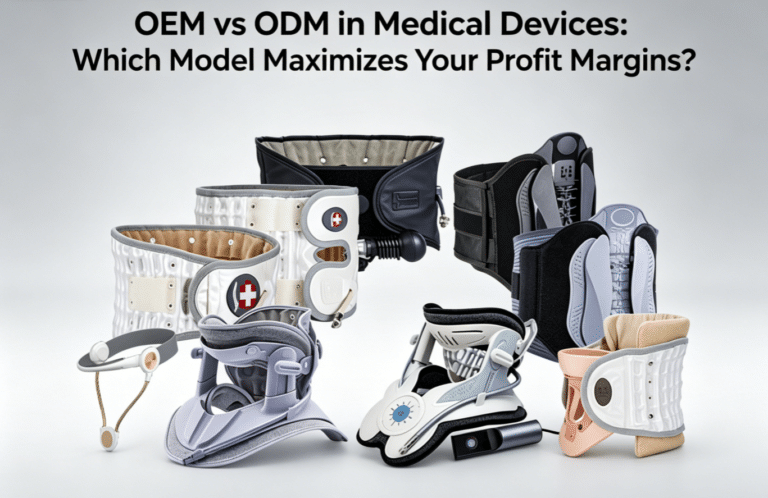
OEM and ODM Support
Private-label buyers should check what the supplier can actually customize.
Typical options may include:
- Brand logo
- Product color
- Packaging design
- Product appearance
- Functional configuration, where available
Also confirm the minimum order quantity (MOQ), sample process, customization costs, and development timeline before moving forward.
Production and Supply Stability
A reliable rehabilitation equipment manufacturer should be able to explain how it manages production and order fulfillment.
Questions worth asking include:
- What is the standard lead time?
- Can you support repeat orders?
- How do you manage product inspections?
- Are replacement parts available?
- How are product changes communicated?
- Can you provide product photos and videos for marketing?
Clear answers at the beginning can help prevent unnecessary problems after the first order.
5. Build a Product Line Instead of Relying on One Bestseller
For distributors and wholesalers, a balanced product portfolio can create more opportunities than depending on a single product.
One practical approach is to organize your range around customer needs.
| Product Line | Example Products | Potential Sales Channels |
|---|---|---|
| Neck Care | Neck traction devices, cervical care massagers, neck supports | Healthcare retailers, online stores, wellness distributors |
| Back Care | Lumbar traction devices, lower back massagers, back support belts | Rehabilitation suppliers, e-commerce sellers, wholesalers |
| Knee Care | Knee massagers, joint care devices | Wellness retailers, pharmacies, online stores |
| Massage & Relaxation | Neck and shoulder massage pillows, portable massagers | Gift retailers, supermarkets, online brands |
| Home Physiotherapy | Multi-function home-use therapy devices | Healthcare distributors, rehabilitation product dealers |
The advantage of this approach is simple: you can serve different customer needs while building a consistent brand identity.
It also gives your sales team more opportunities to cross-sell products to existing accounts.
6. Why Work With Alphay Medical?
Alphay Medical is a Chinese OEM and ODM manufacturer specializing in home massage products and home physiotherapy equipment.
Founded in 2006, the company develops and manufactures products for distributors, retailers, wholesalers, and healthcare brands worldwide.
Its product range includes:
- Neck traction devices
- Cervical care devices
- Neck and shoulder massagers
- Lumbar traction devices
- Lower back massagers
- Knee massagers
- Back support belts
- Other home physiotherapy products
For B2B buyers, Alphay offers product development, manufacturing, and private-label cooperation. Logo engraving and packaging customization are available, with requirements depending on the product and order quantity.
Whether you’re looking for a neck traction device supplier, a lumbar traction device manufacturer, a knee massager factory, or a long-term home physiotherapy equipment supplier, choosing products that match your market is the first step.
Alphay works with business partners to explore product options and OEM/ODM opportunities for different markets.
7. Final Thoughts: Choose Products Based on Your Market, Not Just Trends
The pain relief market offers plenty of opportunities in 2026, but successful product selection takes more than following popular keywords or copying competitors.
Start with the needs of your target customers. Study marketplace demand, compare product reviews, check retail pricing, and test samples before scaling up.
For B2B buyers, the right product should meet three basic requirements:
- Market fit: Customers in your target market have a clear reason to buy it.
- Product value: Its design, functions, and user experience give it a competitive position.
- Supplier reliability: The manufacturer can support consistent quality, customization, and long-term supply.
Looking for a reliable pain relief and home physiotherapy equipment manufacturer?
Contact Alphay Medical to explore our product range, request samples, and discuss OEM/ODM opportunities for your market.